
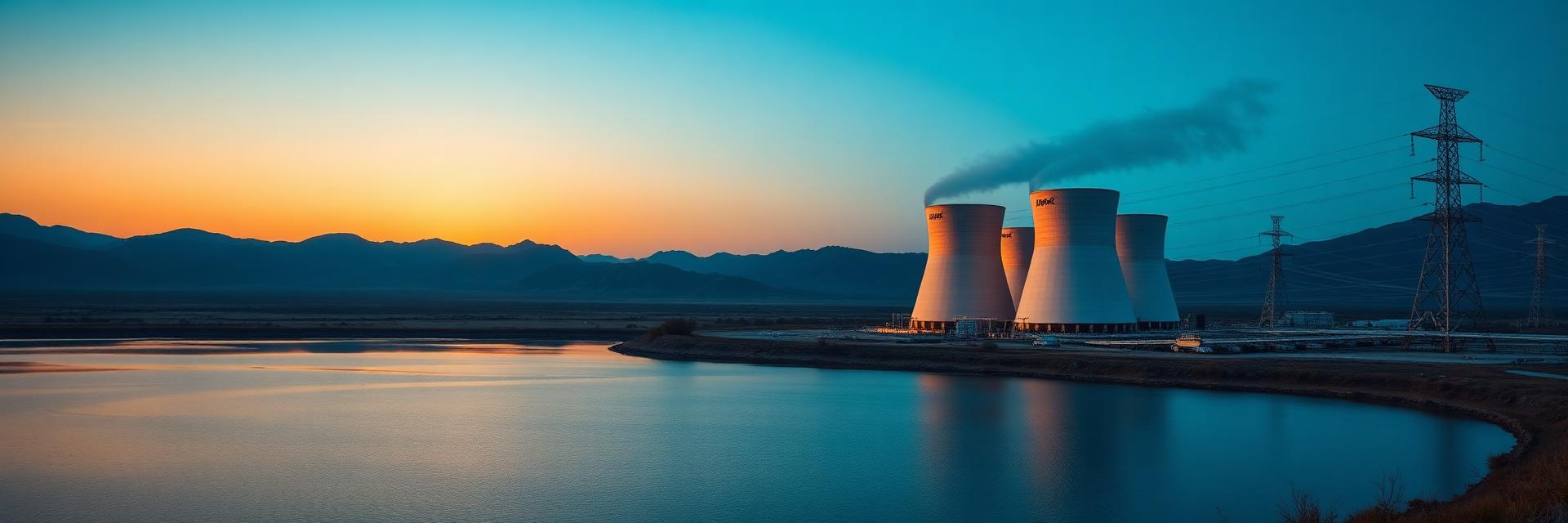
The Atom as a Sacred Trust
Nuclear energy carries the power to liberate nations from poverty, but it demands a level of responsibility that transcends generations. Our work is not just a business.
Seven ethical pillars
- Pillar 01
Integrity in Safety
Safety is not a checkbox; it is a culture. We will never compromise on safety standards for the sake of profit or political expediency. If we identify a safety risk in a client's bid or a project's execution, we have an absolute ethical duty to report it to the Board and the Regulator.
- Pillar 02
Radical Transparency
In the nuclear sector, secrets are the precursors to failure. An informed public is the best safeguard against accidents and corruption. We commit to the public disclosure of all non-sensitive project data, safety assessments and environmental impact reports.
- Pillar 03
Inter-generational Responsibility
We are building infrastructure that will last 100 years. We have an ethical duty not to leave a burden of waste or debt for future generations. We exclusively advocate for sustainable financing models and holistic waste management solutions.
- Pillar 04
Anti-Corruption and Fair Play
We adhere to the ISO-37001 anti-bribery standard. We will never participate in opaque bidding processes or pay-to-play schemes. Our value lies in our intelligence and compliance, and a transparent market is the only route to long-term success for nuclear energy in Africa.
- Pillar 05
Local Empowerment — The 30% Rule
We are pro-Kenya. The nuclear journey must benefit the local community first. We commit to maximising local labour, materials and services in every project we speak up about, ensuring the 30% local content requirement is a floor, not a ceiling.
- Pillar 06
Science for Humanity
Nuclear science must solve human problems. We prioritise non-power applications in medicine and agriculture so the benefits of the atom reach the most vulnerable members of our society.
- Pillar 07
The Peace Doctrine
We are steadfast supporters of the NPT and the Pelindaba Treaty. We will never advocate for any project that deviates from the peaceful use of nuclear technology. Shared energy infrastructure is a tool for regional peace and unity.
The eight traits of a healthy safety culture
In the nuclear world, safety is not just about equipment; it is about mindset — the characteristics and attitudes that ensure plant safety receives the attention its significance warrants.
Individual Responsiveness
Every employee, from the CEO to the janitor, feels responsible for safety.
Questioning Attitude
“We've always done it this way” is not an acceptable answer.
Communication
Safety information flows freely in all directions. There are no silos.
Leadership Accountability
Leaders lead by example and prioritise safety over production goals.
Decision-Making
Safety is the primary driver in every strategic decision.
Respectful Work Environment
Employees can report errors without fear of retribution.
Continuous Learning
The organisation constantly improves on internal and external lessons.
Problem Resolution
Issues are identified early and resolved thoroughly.
We champion this mindset in every forum we host — embedding the safety-first mindset years before the first fuel rod arrives.